Understanding Link Analytics: A Complete Guide
Discover how to use link analytics to make data-driven decisions and improve your marketing strategy.

Khenneth Coby Legaspi
Author
Understanding Link Analytics: A Complete Guide
Link analytics provide invaluable insights into how your audience interacts with your content. By tracking and analyzing link performance, you can make data-driven decisions that improve your marketing effectiveness.
What is Link Analytics?
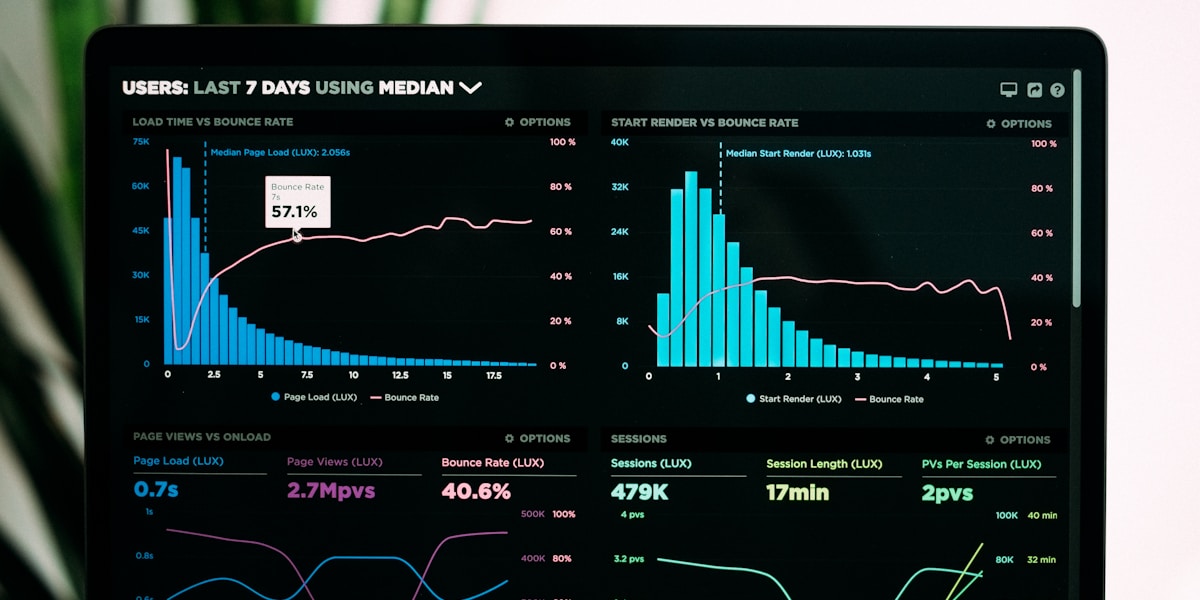
Link analytics is the process of collecting, measuring, and analyzing data about how people interact with your shortened links. This includes clicks, geographic location, devices used, referral sources, and much more.
Key Metrics to Track
1. Total Clicks
The most basic metric – how many times your link has been clicked. This gives you an overall sense of reach.
2. Unique Clicks
How many individual people clicked your link. This helps you understand actual audience size versus repeated visits.
3. Click-Through Rate (CTR)
The percentage of people who clicked your link out of everyone who saw it. Higher CTR indicates more compelling content or targeting.
4. Geographic Data
Where your clicks are coming from. This helps you understand your audience's location and optimize timing and content for specific regions.
5. Device & Browser Information
What devices and browsers your audience uses. Essential for ensuring your destination pages are optimized for the right platforms.
6. Referral Sources
Where the clicks are coming from – social media, email, direct traffic, etc. This helps you understand which channels drive the most engagement.
7. Time-Based Patterns
When your links get the most clicks. Use this to optimize your posting schedule.
Setting Up Effective Tracking
Use UTM Parameters
UTM parameters help you track campaign performance in Google Analytics:
Integrate with Analytics Platforms
Connect your link shortener with:
Advanced Analytics Techniques
Conversion Tracking
Don't just track clicks – track what happens after the click. Set up conversion tracking to measure:
Attribution Modeling
Understand the customer journey. Did they click multiple links before converting? Attribution helps you understand the full path to conversion.
Cohort Analysis
Group users based on when they clicked and analyze their behavior over time.
A/B Testing
Test different variables:
How to Use Analytics to Improve Performance
1. Identify Top Performing Content
Double down on what works. If certain types of content get more clicks, create more of it.
2. Optimize Posting Times
Post when your audience is most active based on when your links get the most clicks.
3. Improve Targeting
Use geographic and demographic data to better target your audience.
4. Refine Your Message
If your CTR is low, your message might not be resonating. Test different approaches.
5. Fix Technical Issues
If you see high bounce rates, there might be technical issues with your destination pages.
Common Pitfalls to Avoid
Tools for Link Analytics
Popular link analytics tools include:
Conclusion
Link analytics is essential for understanding your audience and optimizing your marketing efforts. Start with the basics – track clicks and sources – then gradually add more sophisticated tracking as you grow.
Remember: the goal isn't to track everything, but to track what matters for your specific business goals.

About Khenneth Coby Legaspi
Creator of Klook Up (klookup.com) and CEO of Kentaur Soft Inc. Passionate about building tools that empower creators and businesses to grow online.
Related Articles
Understanding Click Analytics: A Marketer's Deep Dive
Master link analytics to optimize your campaigns — learn what metrics matter and how to act on them.
Link Analytics vs. Google Analytics: Understanding the Difference
When to use link-level analytics vs. site-wide analytics, and how they complement each other for a complete picture.